
Published on July 12, 2026.
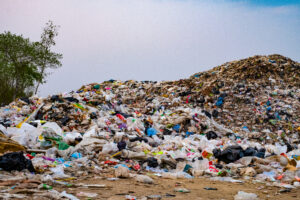
Our generation grew up hearing three words: Reduce, Reuse, Recycle. Reduce the amount of waste you generate by choosing objects with less packaging. Reuse items instead of throwing them away after their first use. Recycle waste materials into new objects, giving them a second chance.
We were told that if we followed these three Rs, we could save the planet and make a meaningful impact on the communities around us. Yet with decades of environmental education, residents in Broward County generate a staggering 5.3 million tons of waste each year.
Although we are just high school students, we feel responsible for helping future generations of children have an efficient waste-disposal system that will not result in their living next to a landfill or waste-to-energy facility. But will the elected officials stop this waste from endangering our water system, air, and health?
In 2013, Broward County’s recycling rate sat at 60%. As of 2024, that recycling rate dropped to 38%, nearly half of the state of Florida’s goal of 75%.
However, our waste can be reduced in several sustainable ways rather than relying on hazardous incinerators or non-eco-friendly landfills. That’s where the Solid Waste Authority of Broward County’s Master Plan can be the driving force by standardizing recycling, reducing waste and educating the public. Composting, reducing plastic consumption, and repurposing objects can help reduce countywide waste. But individual action alone cannot solve this crisis.
Broward County has a responsibility to broaden access for proper disposal, waste reduction and organic waste recovery. Individual and countywide action shouldn’t be viewed as opposites. Instead, they should be treated like aspects of a more sustainable future. Relying on individuals reducing waste without proper infrastructure will not save us, but a long-term plan might.
According to BrowardRecycles.org, Broward’s trash is projected to increase to 7.8 million tons in the next 44 years without intervention. Within that waste, among residential areas, 35% of it is compostable, 31% is recyclable, and 13% is potentially divertable — leaving only 21% of residential waste that is non-divertable and requiring landfill disposal. Commercially, there are comparable percentages for compostable, recyclable and potentially divertible waste (28%, 38% and 15%, respectively), leaving only 29% of waste as non-divertible. The Master Plan aims to capitalize on this and significantly reduce waste production in Broward County, with around 62% of waste potentially recoverable.
The Master Plan was made with the intention of making waste diversion more effective and sustainable, ensuring that “operations align with community expectations and environmental goals.” The plan includes specific expectations for different types of waste, from yard waste to recyclable materials, with a goal of diverting waste from landfills, and reducing the need for another incinerator to be built.
Click here to read the full article.